Speaker Info
- Name
- Michelle Horton
- Organization
- Outside the Box Studios
- Country
- United States
- Biography
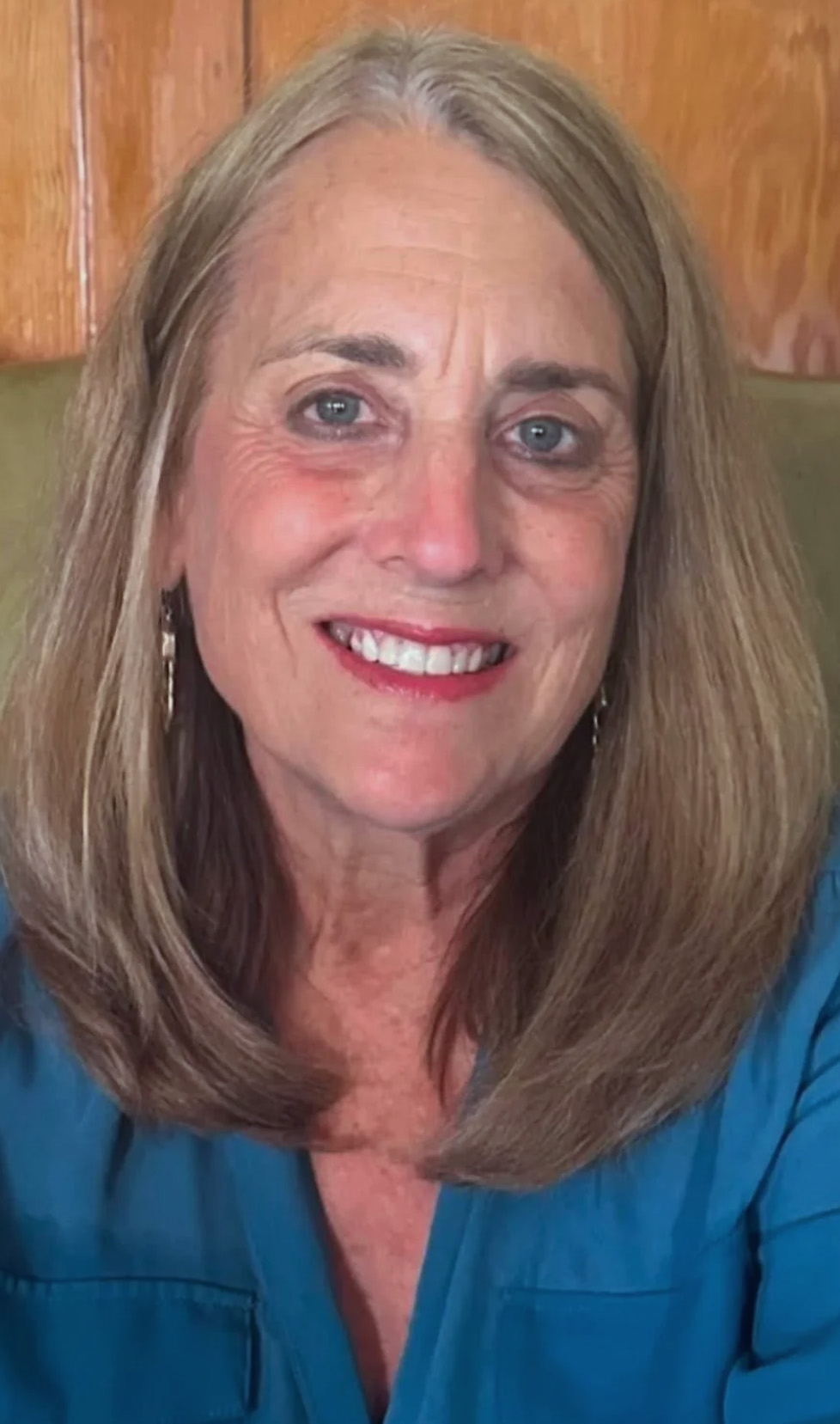
- Michelle Horton, PhD, MA, ABSNP, Co-Founder, is a clinical psychologist and diplomate in school neuropsychology. She has spent over 30 years in her career with neurodiverse youth and their families in various settings (public and private schools, private practice, in-patient and out-patient mental health facilities, residential treatment, and foster care). She has a private practice in the Bay Area, where she provides comprehensive neuropsychological assessment, individual psychotherapy, executive skill groups, and parent and psycho-educational consultation. She also teaches a graduate seminar on learning disorders at Access Institute in San Francisco. She is committed to collaborating with students, caregivers, and interdisciplinary teams to develop more innovative strength-based approaches to support neurodiverse learners to be better understood and to express their unique gifts.
Photo
- Photo

Presentation Info
- Title
- Empathy and Empowerment in Digital Play
- Summary
- Empathy and Empowerment in Digital Play outlines a therapeutic framework that uses high-interest digital play—especially social games—as a medium for supporting neurodiverse youth. Originating from Dr. Michelle Horton’s decades of neuropsychological work, the approach rejects deficit-focused models and builds on children’s natural strengths, interests, and creativity. Pairing therapists, game designers, and neurodiverse kids themselves enables collaborative, child-centered assessment and treatment. The program is grounded in four values: empowerment through demonstrating hidden strengths; connection and self-expression via avatar-based play; collaborative refinement based on live feedback; and a dynamic, neuro-affirming, strength-based approach. Five game-design principles support this work, interdisciplinary collaboration, therapist-led facilitation, meeting kids where they already thrive, enhanced behavioral-observation tools, and rapid iteration. ROBLOX Squad Builders exemplifies this model. The experience blends therapist-guided scenarios, cooperative mini-games, and creative world-building to promote communication, problem-solving, emotional insight, executive functioning, and social-emotional learning. Avatars reduce social barriers, allowing kids to explore feelings and choices more openly than in traditional groups. Real-time feedback from players continuously improves each scenario and activity. Beyond ROBLOX, the team is developing scaffolded game-development programs to address executive-function challenges that often impede neurodiverse teens and young adults. By working within a medium participants already love, the program aims to build durable skills for academic, creative, and workplace success. Overall, the interdisciplinary model demonstrates strong early promise: interactive digital play—when guided by therapeutic expertise—can unlock self-understanding, skill-building, and meaningful connection for neurodiverse youth.
- Keynote
- Presentation
- GFHEU Year
- 2026
Info
- Info